
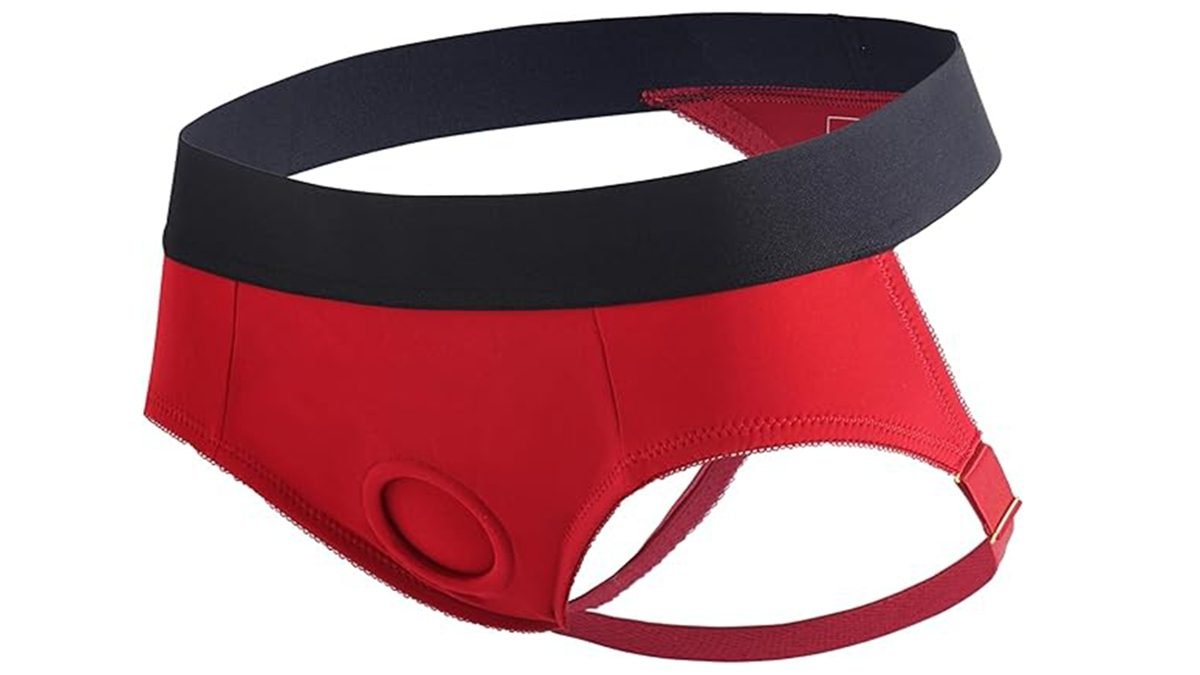
Lesbian underwear is an increasingly visible category of intimate apparel designed to reflect different preferences in fit, style, comfort, and personal expression. From women’s boxer briefs and boyshorts to briefs, thongs, and lingerie, the category offers a wide range of options for individuals and brands looking for alternatives to conventional underwear styles.
For retailers, wholesalers, and emerging lingerie brands, understanding lesbian underwear can also reveal opportunities to serve a diverse customer base with thoughtfully designed, inclusive products.
In this guide, we explore what lesbian underwear means, the most popular styles, the features buyers should consider, and practical tips for sourcing products for a retail or private-label business.
Table of Contents
What Is Lesbian Underwear?
Popular Styles of Lesbian Underwear
Key Features to Look For
How to Choose the Right Lesbian Underwear
Buying Tips for Wholesale and Private Label
Why the Lesbian Underwear Market Matters
Frequently Asked Questions
Explore Lesbian Underwear with HYDLOVE
1. What Is Lesbian Underwear?
Lesbian underwear refers to underwear styles that appeal to lesbian women and other customers seeking inclusive, comfortable, or less traditionally feminine intimate apparel.
There is no single design that defines lesbian underwear. Some customers prefer boxer briefs, boyshorts, or minimalist briefs, while others enjoy thongs, lace lingerie, bold colors, or playful designs. Personal preference, fit, comfort, and self-expression all influence purchasing decisions.
Unlike a narrowly defined product category, lesbian underwear encompasses a variety of cuts, materials, and aesthetics.
Common characteristics may include:
Inclusive styling: Designs that offer alternatives to conventional women’s underwear silhouettes.
Comfort-focused construction: Soft fabrics, suitable stretch, and carefully designed waistbands.
A variety of fits: Options ranging from close-fitting briefs to longer-leg boxer briefs.
Personal expression: Colors, prints, details, and designs that reflect individual tastes.
Retail flexibility: Product ranges that can serve different customer preferences and brand identities.
For underwear brands and retailers, the key is to offer a thoughtful selection of styles rather than assume that every customer wants the same type of underwear.
2. Popular Styles of Lesbian Underwear
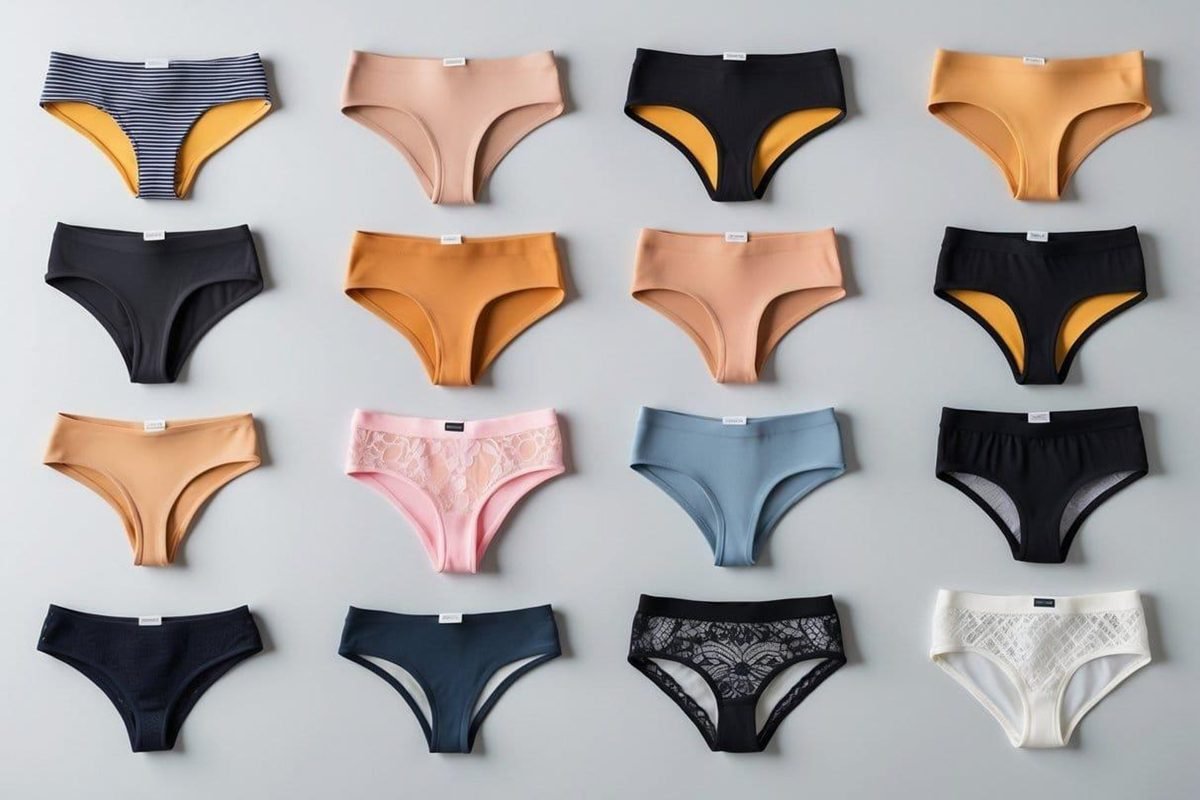
Understanding different underwear styles is an important first step when building a product collection. The following options can help brands develop a range that serves different preferences and market segments.
2.1 Women's Boxer Briefs
Women’s boxer briefs are a popular option for customers who prefer a longer-leg silhouette and a more structured look.
They typically feature a fitted body, a longer leg opening than traditional briefs, and an elastic waistband. Depending on the design, they can be made with cotton blends, modal, microfiber, or stretch fabrics.
Key features:
Longer leg coverage
A close-fitting silhouette
Flexible waistbands
Options for everyday or fashion-focused collections
For wholesale buyers, boxer briefs can be a useful core product because they provide a distinct silhouette and offer opportunities for variations in fabric, color, waistband design, and branding.
2.2 Boyshorts
Boyshorts feature a relatively low-profile, short-leg design inspired by shorts. They are available in a variety of rises, leg lengths, and fabric combinations.
Compared with longer boxer briefs, boyshorts generally provide a shorter leg silhouette while retaining a more covered appearance than many traditional bikini styles.
Key features:
Short-leg construction
A range of coverage options
Versatile fabric and color choices
Suitable designs for casual or fashion-oriented collections
Boyshorts can complement boxer briefs in a product range, giving customers another option without changing the overall style direction of the collection.
2.3 Briefs
Briefs are a classic underwear style with a compact silhouette and a range of waist heights and coverage levels.
They can be designed with simple lines for everyday wear or enhanced with contrast panels, decorative waistbands, mesh, or other fashion details.
Key features:
Compact construction
Multiple rise and coverage options
Straightforward size grading
Broad potential for design customization
For brands developing a coordinated underwear collection, briefs can provide a versatile option alongside boxer briefs and boyshorts.
2.4 Thongs and Minimal-Coverage Styles
Thongs and other minimal-coverage styles appeal to customers who prefer less fabric and a different silhouette.
These products can range from understated everyday designs to statement pieces featuring mesh, lace, bold colors, or decorative details.
Key features:
Minimal back coverage
Lightweight fabric options
Fashion-focused design possibilities
Opportunities for distinctive colors and trims
When evaluating these styles for a retail collection, buyers should pay particular attention to fit, fabric softness, construction quality, and the intended customer segment.
2.5 Lingerie and Statement Designs
Lesbian underwear is not limited to basic or sporty styles. Lingerie-inspired designs can include lace panels, mesh fabrics, cut-out details, contrast stitching, and other decorative elements.
These products may suit brands that want to offer a more expressive or fashion-led collection.
For a balanced product range, consider combining simple everyday styles with selected statement pieces. This approach allows a brand to serve different occasions and style preferences without relying on one aesthetic.
3. Key Features to Look For
The appearance of underwear matters, but material selection, construction, and fit are equally important when evaluating product quality.
3.1 Fabric and Comfort
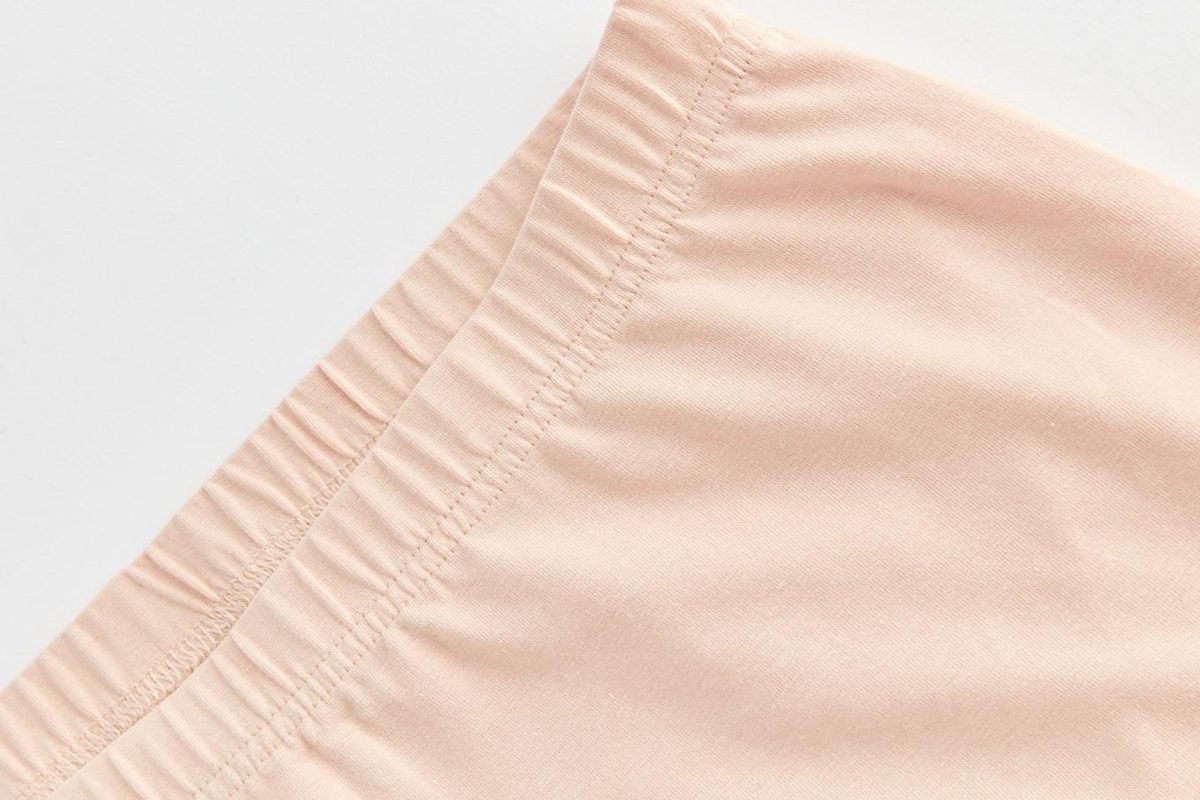
Fabric choice affects softness, stretch, breathability, durability, and the overall feel of a garment.
Common options include:
Cotton blends: Often selected for familiar softness and everyday comfort.
Modal blends: Frequently chosen for a smooth, soft hand feel.
Microfiber: Useful for lightweight designs and a smooth surface.
Stretch fabrics: Elastane or spandex blends can help a garment move with the body.
Mesh and lace: Often used for decorative panels or fashion-focused details.
No single fabric is best for every design. Buyers should evaluate the fabric according to the intended fit, construction, care requirements, target price, and customer expectations.
3.2 Waistband Design
The waistband influences both the appearance and wearing experience of underwear.
Consider its width, elasticity, recovery, softness, and how securely it stays in place. A branded elastic waistband can also provide a recognizable design feature for private-label collections.
For bulk orders, buyers should review waistband samples and check consistency across sizes and production batches.
3.3 Fit and Size Range
A well-designed garment should match its intended silhouette and provide an appropriate fit across the stated size range.
When assessing a product, consider:
Waist and hip measurements
Rise and leg length
Stretch and recovery
Seam placement
Leg-opening comfort
Consistency between the size chart and finished garment
Size labels can vary between suppliers and markets. For this reason, buyers should request a detailed measurement chart and evaluate samples before confirming bulk production.
3.4 Construction and Durability
Product quality depends on more than fabric selection.
Inspect seam finishing, stitching consistency, elastic attachment, fabric alignment, and overall workmanship. Where relevant, check how the garment maintains its shape after washing according to the care instructions.
Clear quality requirements help buyers reduce uncertainty when ordering larger quantities.
3.5 Design and Branding
Brand identity can be expressed through color combinations, waistband graphics, labels, packaging, and small construction details.
For private-label businesses, these elements can help distinguish a collection from standard wholesale products. The most effective design choices should reflect the intended audience and the overall positioning of the brand.
4. How to Choose the Right Lesbian Underwear
Whether you are purchasing for personal use or selecting products for a business, a few practical considerations can make the decision easier.
Step 1: Define the Intended Use
Start by identifying whether the product is intended for everyday wear, fashion-focused retail, a specialty lingerie collection, or a broader inclusive underwear range.
The intended use influences fabric selection, construction, coverage, and design details.
Step 2: Select the Preferred Style
Compare boxer briefs, boyshorts, briefs, thongs, and lingerie-inspired options.
For retail buyers, it can be helpful to begin with a focused assortment of complementary styles rather than launching too many designs at once.
Step 3: Evaluate Fabric and Construction
Review the fabric composition, stretch, waistband, stitching, and care requirements. Request physical samples whenever possible so that the product can be assessed beyond photographs or descriptions.
Step 4: Check Sizing and Fit
Review the supplier’s measurement chart and confirm the intended size range. If a product will be sold in multiple markets, consider whether local sizing expectations and labeling requirements need to be addressed.
Step 5: Compare Value, Not Just Price
A lower unit price does not automatically represent better value. Consider material quality, customization options, production consistency, lead times, packaging, and communication when comparing suppliers.
For businesses, the goal is to find a product that meets customer expectations while supporting a sustainable retail price and margin.
5. Buying Tips for Wholesale and Private Label
For wholesalers, retailers, distributors, and online sellers, selecting the right supplier is an important part of developing a successful underwear collection.
5.1 Choose a Supplier with Relevant Product Experience
Look for a supplier that understands the styles you want to source, including women’s boxer briefs, boyshorts, briefs, and other LGBTQ+ women’s intimate apparel.
Ask about available designs, material options, size ranges, customization capabilities, and quality-control procedures.
5.2 Confirm Minimum Order Quantities
Minimum order quantities (MOQs) can vary by supplier, style, fabric, color, and customization requirements.
Before placing an order, confirm whether the MOQ applies per style, color, size, or total order. This helps you estimate the initial investment and plan inventory more accurately.
5.3 Request Samples Before Bulk Production
Samples allow you to assess fit, material, stitching, waistband quality, color, and overall workmanship.
If you intend to add custom labels or packaging, ask whether these elements can be included in the sample or evaluated separately before production begins.
5.4 Explore OEM, ODM, and Private Label Options
Different sourcing models support different business needs:
OEM: Production based on your specifications, designs, or approved product requirements.
ODM: Selecting or adapting existing supplier designs, subject to the supplier’s capabilities and agreed terms.
Private label: Selling products under your own brand, potentially with customized labels, packaging, or other agreed design details.
The available options depend on the supplier and product. Confirm which services are offered before finalizing your sourcing plan.
5.5 Clarify Production and Shipping Details
Before confirming an order, discuss the production schedule, quality standards, payment terms, packaging, shipping arrangements, and procedures for handling defective products.
Written specifications and approved samples help both parties understand the agreed requirements.
5.6 Build a Focused Initial Collection
If you are launching a new brand or testing a market, consider beginning with a small, coordinated selection of styles and colors.
Use sales performance, customer feedback, and repeat-order data to guide future product development. A focused assortment can make inventory management more manageable while helping you identify which products deserve further investment.
If you are sourcing for a business, explore HYDLOVE’s OEM/ODM services to learn more about custom product development and sourcing options.
6. Why the Lesbian Underwear Market Matters
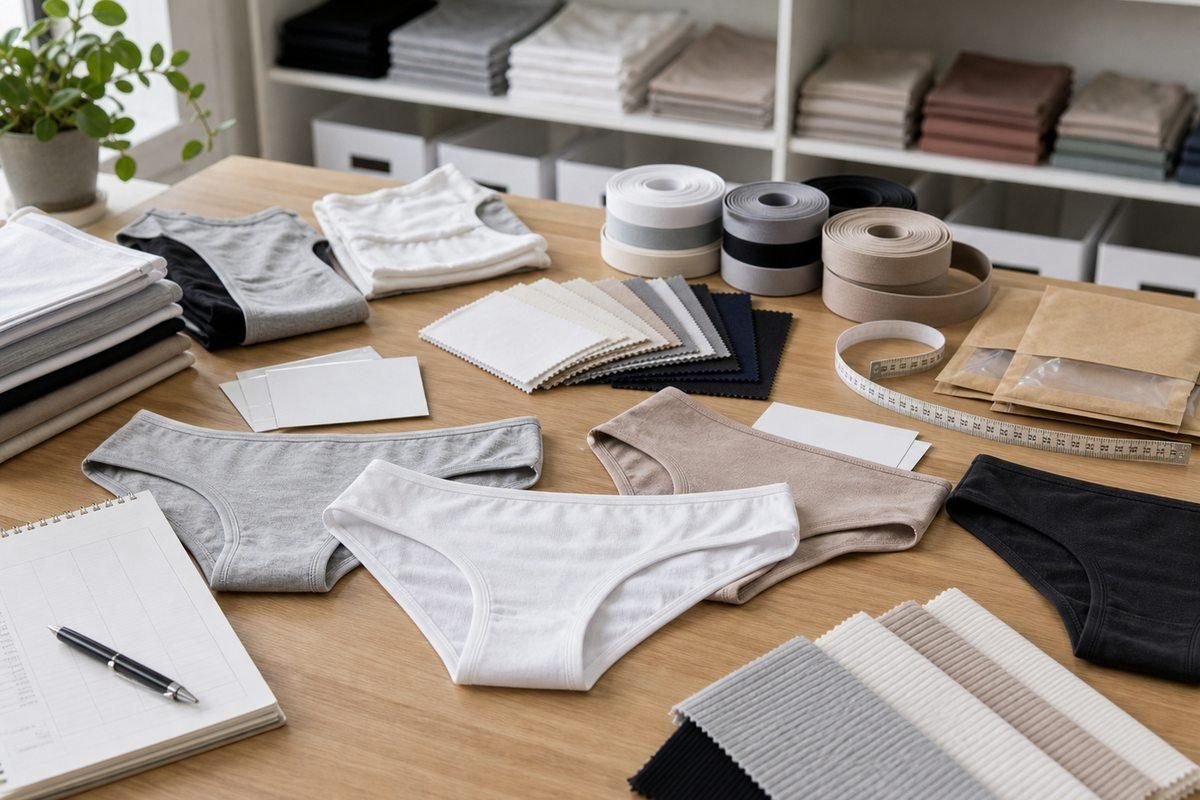
Customers increasingly look for products that reflect their individual preferences, comfort needs, and sense of identity. Inclusive underwear collections provide brands with an opportunity to serve customers who want more choice in style, fit, and self-expression.
For businesses, this category can support several product strategies:
Specialty retail: Develop a focused range for customers seeking lesbian-style underwear and LGBTQ+ women’s intimate apparel.
Online stores: Offer complementary styles, clear product descriptions, and helpful sizing information.
Private-label brands: Create a recognizable collection through coordinated designs, labels, and packaging.
Wholesale distribution: Build an assortment that serves retailers with different customer profiles.
Successful product development begins with understanding the intended customer rather than relying on assumptions about identity or personal style.
For suppliers and brands, clear product information, reliable quality, and responsive communication are important foundations for building long-term business relationships.
7. Frequently Asked Questions
What is lesbian underwear?
Lesbian underwear is a broad term for underwear styles that appeal to lesbian women and other customers seeking inclusive designs, alternative silhouettes, or different forms of personal expression. Popular options include boxer briefs, boyshorts, briefs, thongs, and lingerie.
Is lesbian underwear the same as women's boxer briefs?
No. Women’s boxer briefs are one style within the broader lesbian underwear category. The category also includes other underwear cuts and lingerie-inspired designs.
What fabrics are commonly used for lesbian underwear?
Common choices include cotton blends, modal blends, microfiber, stretch fabrics, mesh, and lace. The best option depends on the product’s intended use, fit, appearance, and care requirements.
Can brands customize lesbian underwear?
Customization depends on the supplier’s capabilities. Options may include fabric selection, colors, waistband design, labels, packaging, and selected product details. Confirm availability, minimum order quantities, and development costs before placing an order.
How can I buy lesbian underwear wholesale?
Start by identifying your target market, preferred styles, size range, and estimated order quantity. Then compare suppliers, request product specifications and samples, confirm MOQs and production terms, and approve the final requirements before bulk production.
What should I look for in a lesbian underwear supplier?
Consider relevant product experience, sample quality, sizing information, customization options, communication, production capacity, quality-control procedures, and clearly documented order terms.
8. Explore Lesbian Underwear with HYDLOVE
HYDLOVE supports businesses looking to source lesbian-style underwear and LGBTQ+ women’s intimate apparel for wholesale, retail, and private-label projects.
Whether you are developing a new underwear brand, expanding an existing collection, or sourcing products for an online store, choosing the right product styles and agreeing on clear specifications are important first steps.
To discuss your product requirements, customization ideas, or wholesale sourcing needs, visit our OEM/ODM services page or Request a Quote.